
Faster-Cure & UV-Aware System Planning
Polyaspartic Floor Coatings in Eastern Iowa
Create a professionally finished floor with faster-cure planning, compatible polyaspartic layers, UV-aware topcoat guidance, and a clear return-to-use schedule.
- Professional concrete preparation
- Faster-cure and UV-aware planning
- Free Eastern Iowa estimate
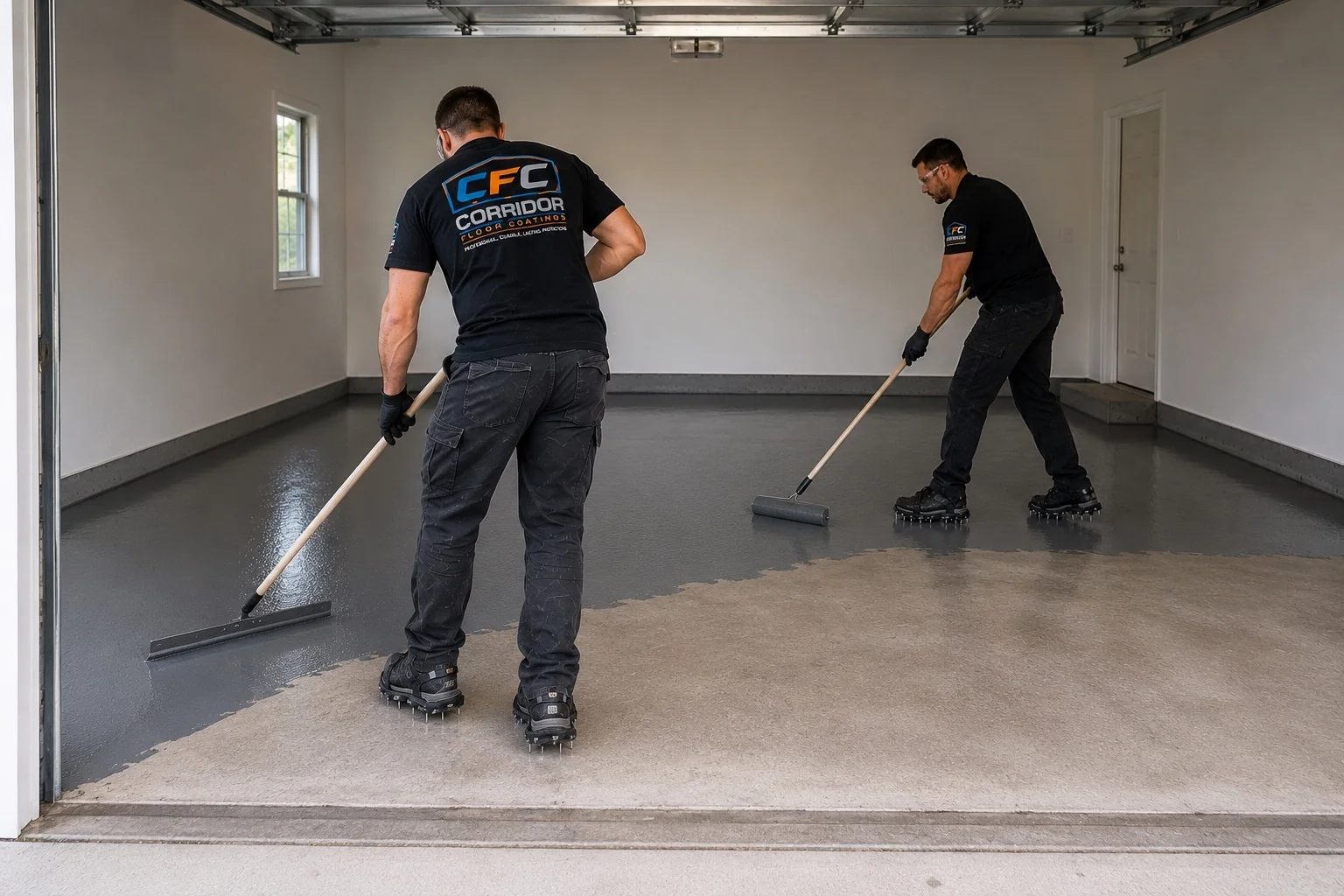
A faster-curing system planned around the floor you want
Get the timing advantages of polyaspartic without turning your project into a rushed installation
Polyaspartic components can help create professionally finished floors with faster cure profiles, clear protective layers, compatible decorative systems, and thoughtful planning for sunlight exposure. Corridor Floor Coatings builds the recommendation around the concrete, the room, the finish you want, and when the space needs to return to use.
You do not need to choose a chemistry, brand, or layer schedule before requesting an estimate. Show us the floor, explain how the space is used, share the finished look you like, and tell us what timing matters. We will define the preparation, common repairs, required removal, compatible coating layers, finish, cure sequence, and reopening guidance.
Useful chemistry inside a complete floor plan
Polyaspartic is most valuable when cure time, exposure, and the final protective layer matter
The selling point is not speed by itself. The value comes from pairing the right working time, preparation, decorative direction, compatible layers, and reopening schedule.
Faster cure profile
Compatible polyaspartic layers can support shorter cure windows when the floor, conditions, sequence, and traffic plan are coordinated correctly.
Clear finish options
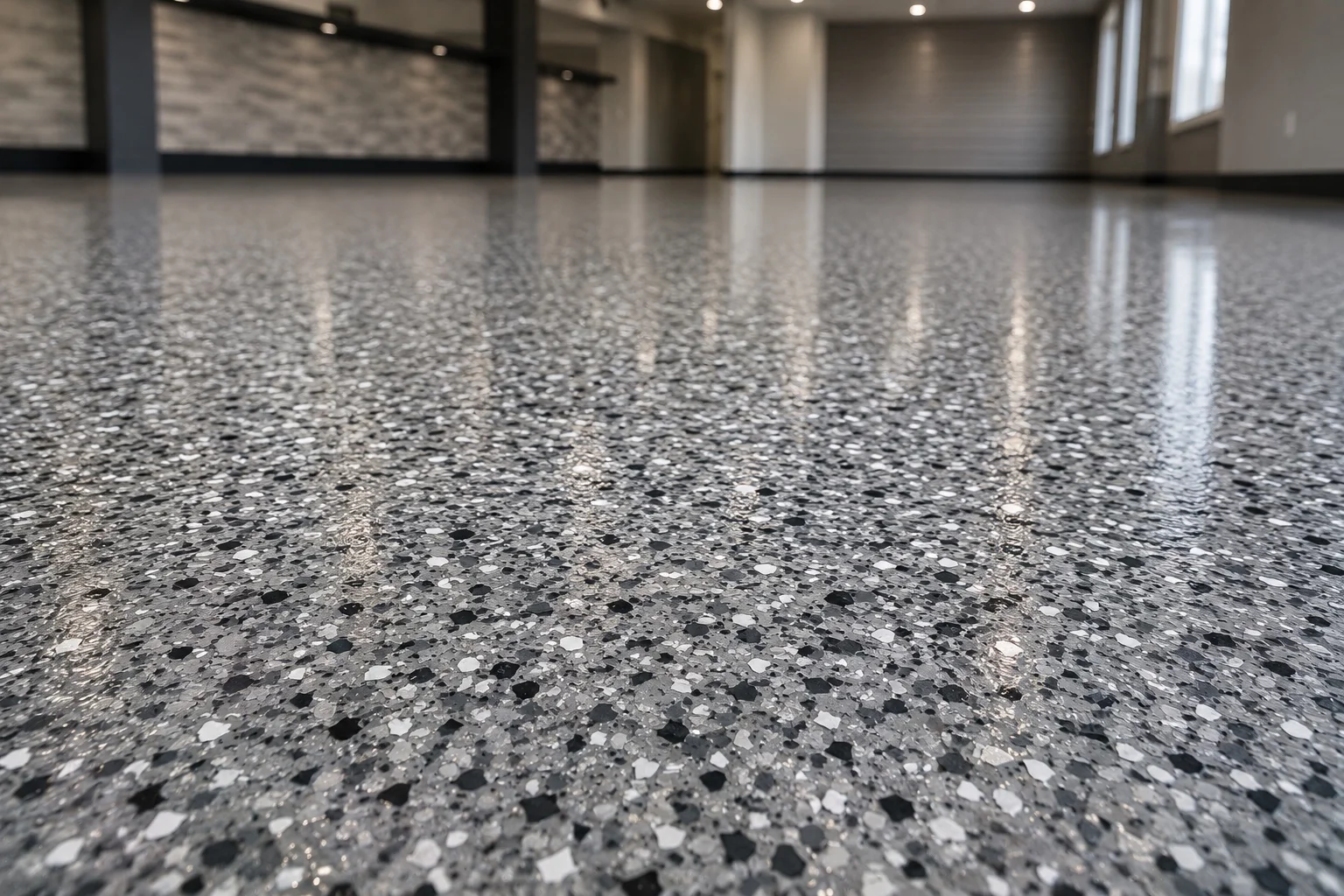
Clear polyaspartic topcoats can complete decorative systems with planned sheen, visual depth, texture, and routine cleanability.
UV-aware planning
Compatible components can be selected with sun-exposed doors, windows, and appropriate outdoor applications in mind.
System flexibility
Polyaspartic may serve as a pigmented layer, clear layer, or topcoat within a compatible system rather than forcing one chemistry into every role.
Choose the result, not a one-product slogan
Different layers can do different jobs inside one compatible floor system
A finished floor may combine multiple compatible components because bond, build, color, decorative broadcast, clear protection, working time, and cure profile are separate decisions. Corridor explains the proposed system in plain language so you know what is being installed and why it fits the project.
Pigmented coating layer
Polyaspartic may provide color within a compatible floor system when the application and working-time plan fit the project.
Decorative receiver layer
A compatible wet layer can receive decorative flake with coordinated broadcast, processing, and clear-coat timing.
Clear protective layer
A clear polyaspartic component can complete sheen, texture, depth, cleanability, and the planned cure profile.
Hybrid system role
Polyaspartic can work with compatible epoxy or other approved components when each layer serves a useful purpose.
For epoxy primers, body coats, build layers, solid colors, and metallic effects, visit Epoxy Floor Coatings. For decorative chip blends, broadcast coverage, and texture, visit Flake Floor Coatings.
Tell us what timing matters
Send photos, dimensions, the project location, and when the space needs to reopen
Corridor will turn those details into a practical preparation, layer, finish, cure, and return-to-use recommendation.
Fast cure is not the same as a rushed project
The complete schedule includes every step required to create the finished floor
Polyaspartic components may cure quickly, but the customer schedule also includes equipment setup, grinding, accessible edge work, required removal, common repairs, cleaning, layer application, decorative work, environmental conditions, and the type of traffic returning to the floor.
- Foot-traffic timing explained before installation
- Furniture and equipment timing matched to the project
- Vehicle-use guidance provided when applicable
- Temperature and working-time conditions considered
- No preparation step removed simply to advertise speed
That gives you a usable schedule instead of a vague “one-day floor” promise that ignores the actual scope.
For the full preparation foundation, visit Concrete Repair & Surface Preparation. Focused crack work belongs to Concrete Crack Repair, while old paint and weak prior layers belong to Failed Coating Removal.
Sunlight and exposure deserve their own review
Plan the finish around doors, windows, weather, drainage, and the actual environment
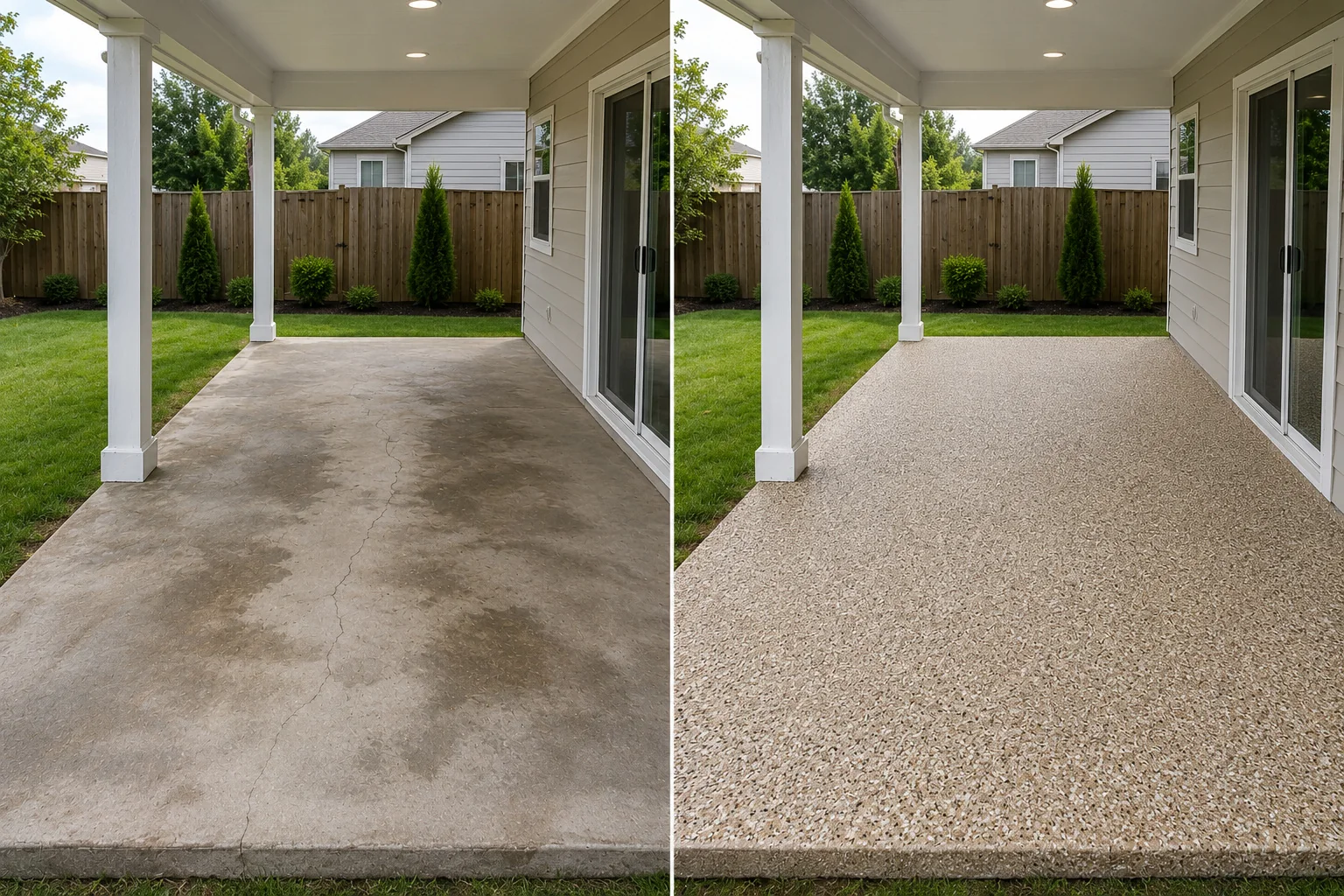
Polyaspartic components are often considered where sunlight reaches the floor or where an appropriate exterior system needs a UV-aware topcoat. The chemistry does not remove the need to evaluate slope, drainage, standing water, freeze-thaw exposure, movement, texture, maintenance, and installation conditions.
For indoor projects, choose the service that matches the room. For outdoor projects, start with Exterior Concrete Coatings so the full exposure—not only the topcoat—is evaluated correctly.
Let the space page lead the project
Connect polyaspartic options to the way your room or facility is used
This guide explains chemistry and cure planning. The matching space service connects those options with traffic, cleaning, equipment, storage, access, appearance, and operational needs.
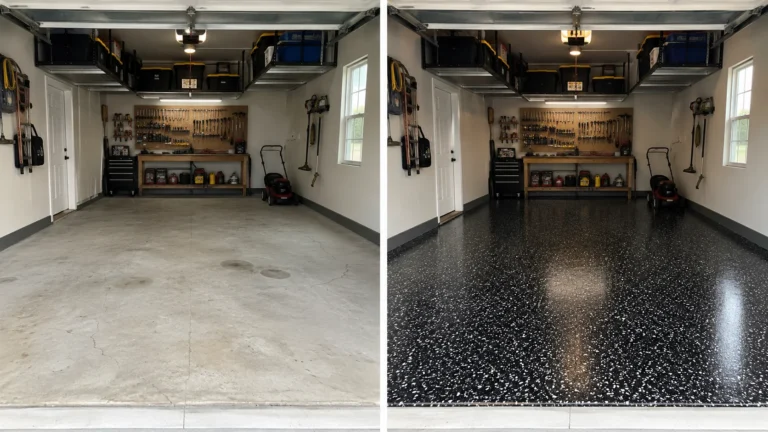
Garage Floor Coatings
Residential parking, tires, tools, storage, road debris, appearance, and vehicle reopening.
Learn more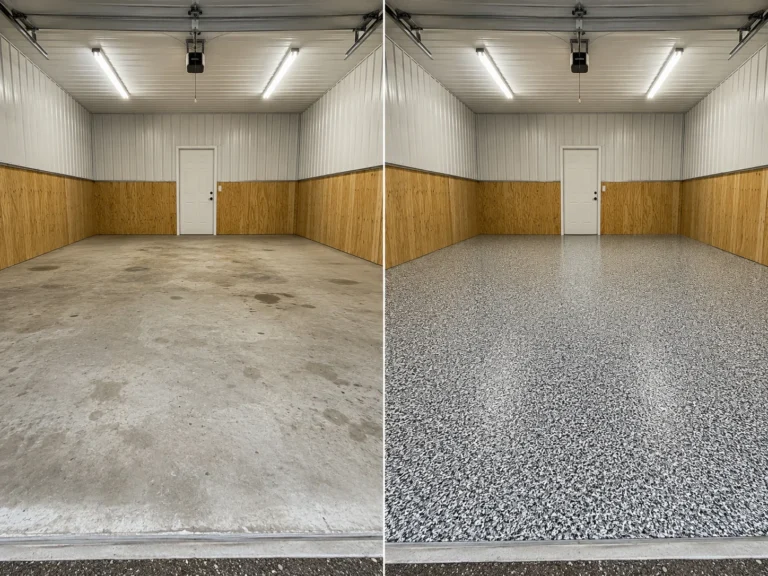
Shop Floor Coatings
Tools, work zones, carts, equipment, cleaning, workflow, and downtime planning.
Learn more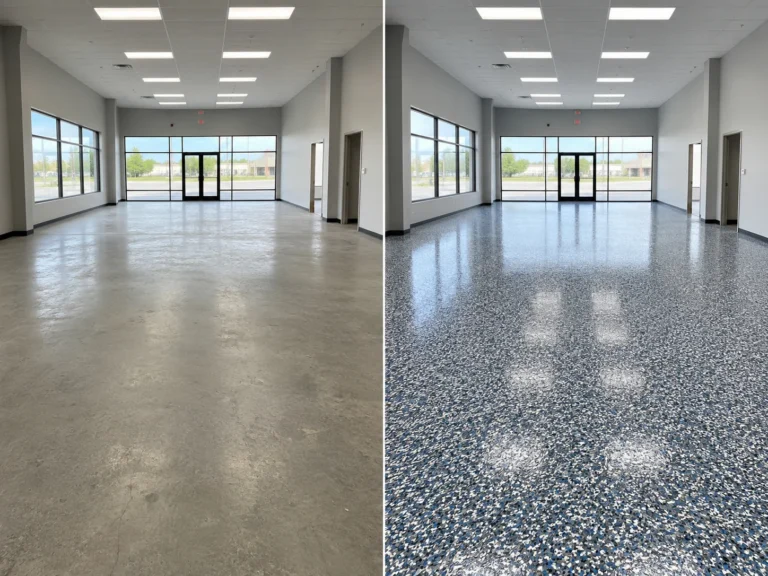
Commercial Floor Coatings
Business traffic, customer areas, equipment, phasing, cleaning, and reopening.
Learn more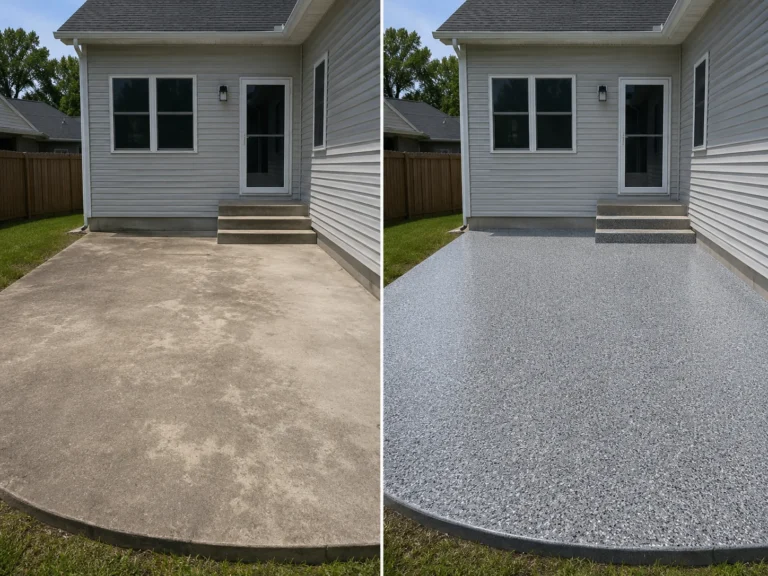
Exterior Concrete Coatings
Sunlight, weather, drainage, freeze-thaw exposure, texture, slope, and movement.
Learn moreFinished floors across different spaces
See the design range a compatible polyaspartic system can help complete
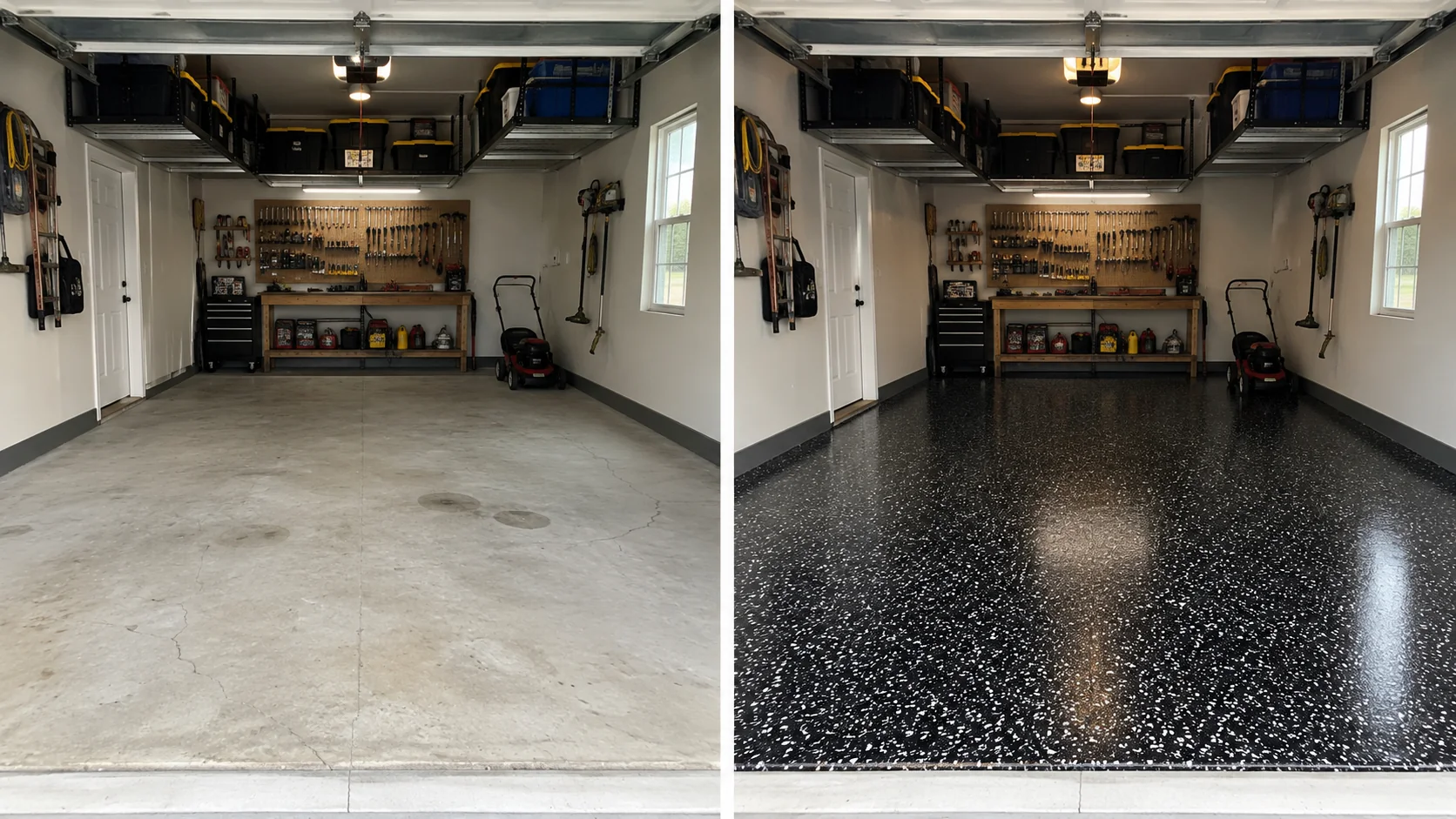
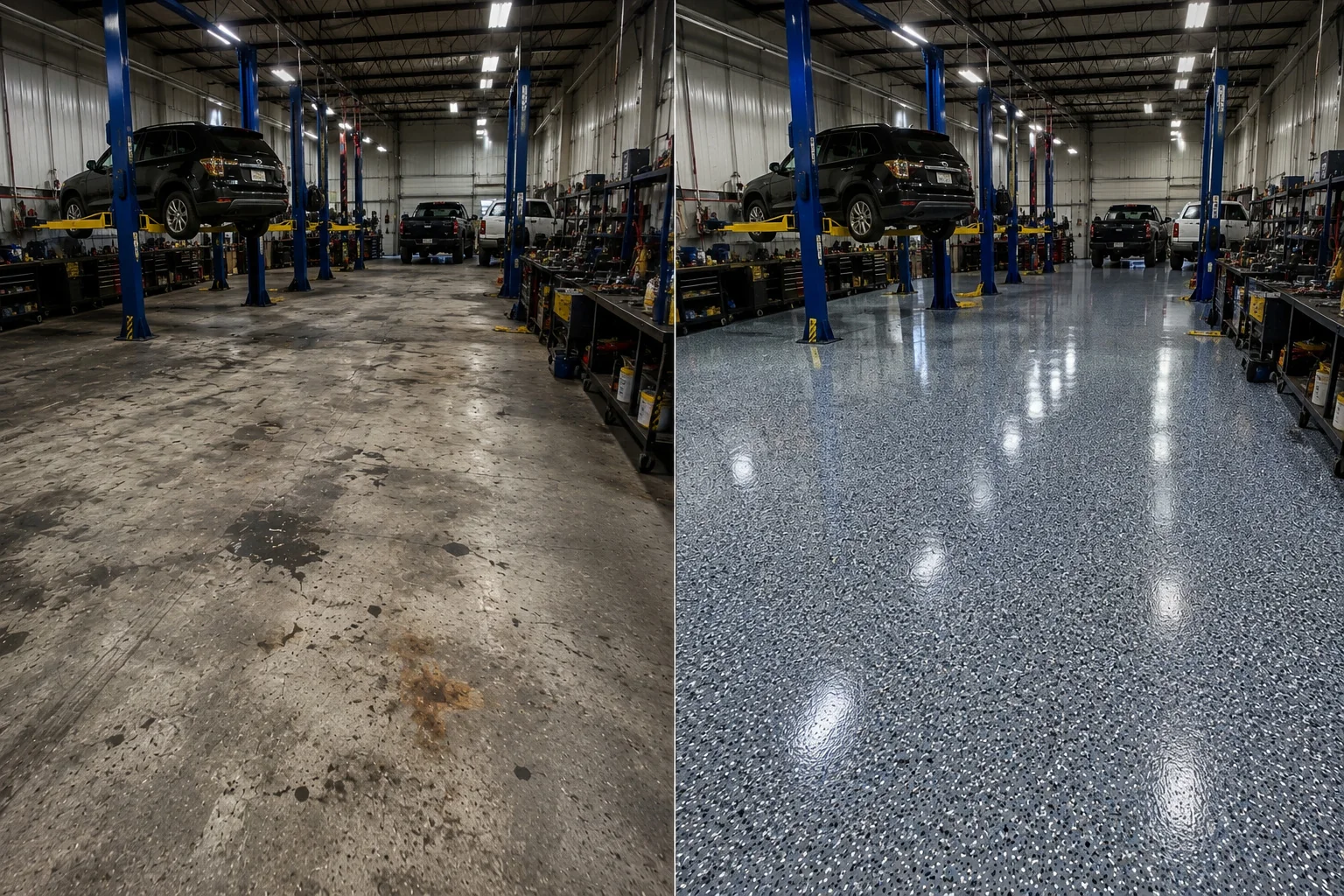
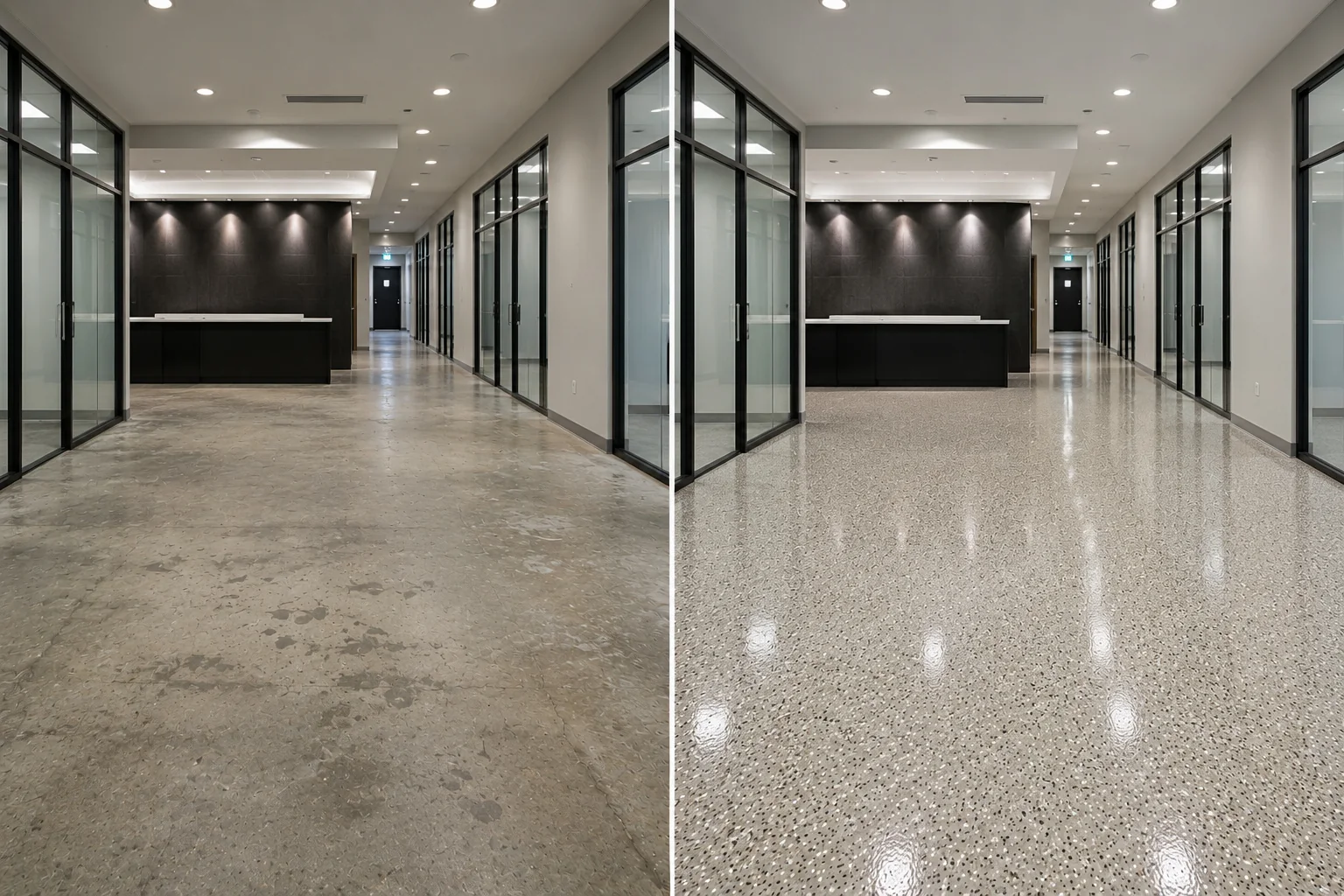
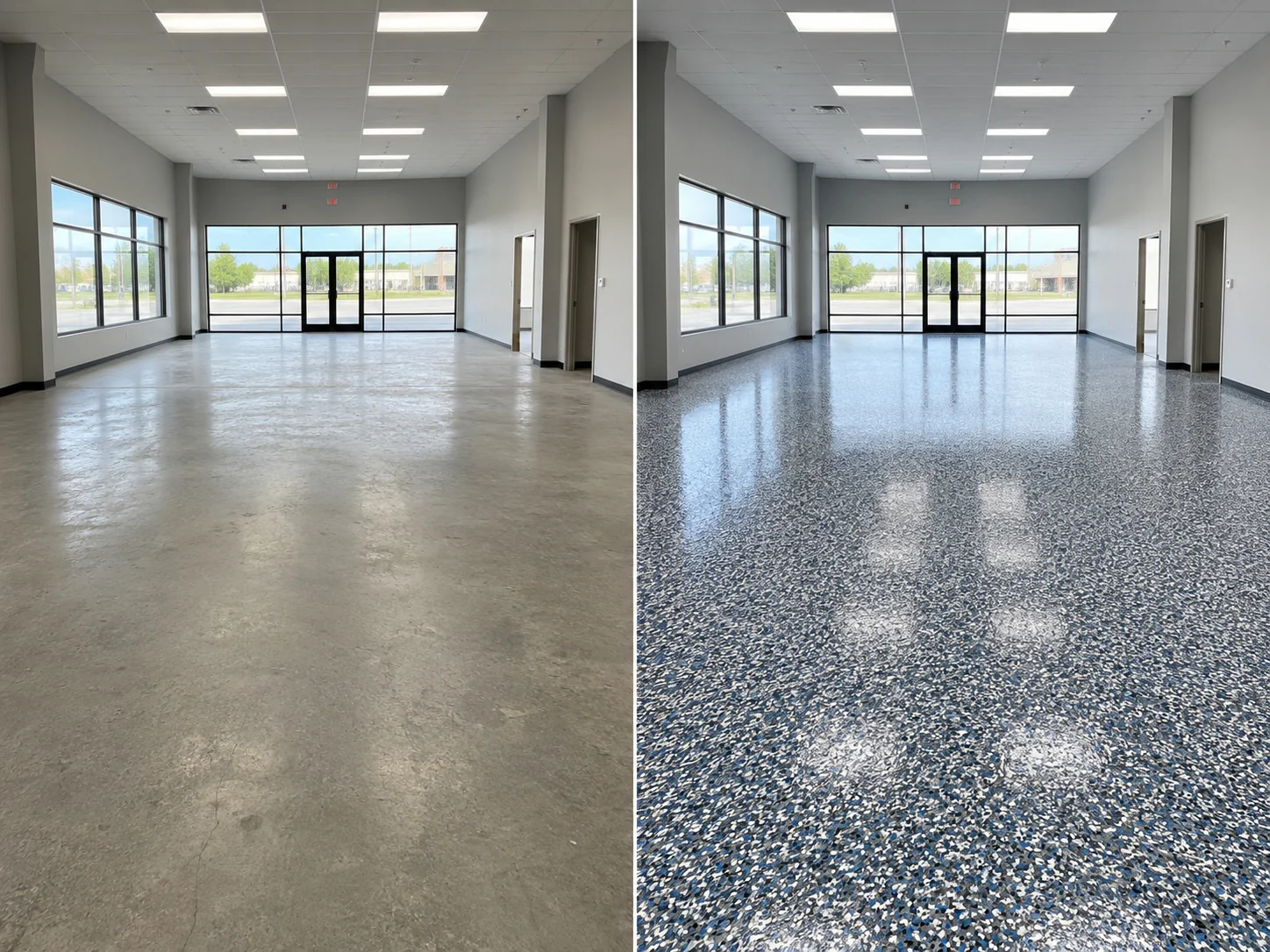
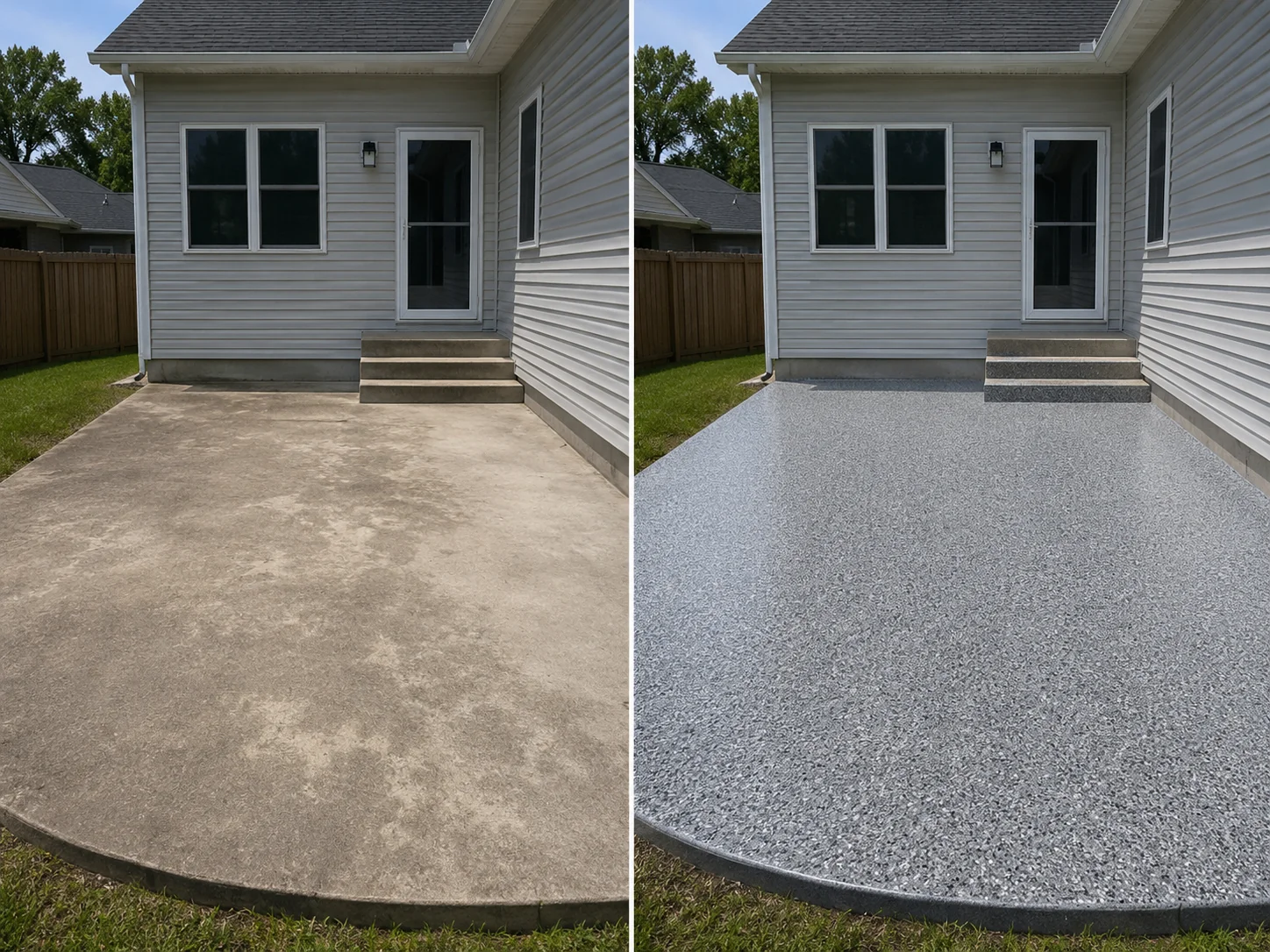
These Eastern Iowa projects show decorative flake, showroom, garage, shop, and exterior directions where the complete floor system—not a chemistry label alone—creates the finished result.
A clear path from first photos to reopening
Five steps keep system selection practical and the project easy to follow
- Share the floor and timingSend the location, dimensions, photos, current use, exposure, finished direction, and desired return-to-use window.
- Review the concrete and environmentCorridor considers slab condition, old material, access, temperature, traffic, sunlight, moisture, cleaning, and transitions.
- Choose the finished directionCompare color, decorative flake, sheen, texture, clear-coat depth, lighting, and nearby finishes.
- Build the compatible systemWe define preparation, repairs, removal, layer roles, working time, decorative sequence, topcoat, and cure profile.
- Reopen with clear guidanceYou receive project-specific timing for walking, furniture, equipment, cleaning, and vehicle traffic when applicable.
Polyaspartic floor systems across Eastern Iowa
Get a system recommendation built around your floor, finish, and schedule
Corridor Floor Coatings serves homeowners, property owners, builders, landlords, and businesses throughout the Cedar Rapids–Iowa City Corridor, Waterloo and Cedar Falls area, Dubuque area, Iowa Quad Cities, and surrounding Eastern Iowa communities.
Polyaspartic floor coating questions
Do I need to choose the exact polyaspartic product or layer schedule before requesting an estimate?
No. Share the floor, how the space is used, the finished look you want, the exposure, and the timing that matters. Corridor defines the preparation, compatible layers, finish, cure sequence, and return-to-use guidance.
Is every polyaspartic floor a one-day project?
No. Polyaspartic components can support faster cure profiles, but the complete schedule also includes grinding, removal, repairs, floor size, conditions, layer sequence, decorative work, and the type of traffic returning to the space.
Is polyaspartic automatically better than epoxy?
No. Polyaspartic and epoxy components have different working, build, finish, and cure characteristics. The right direction depends on the concrete, environment, appearance, exposure, schedule, and complete compatible system.
Can polyaspartic be used with decorative flake?
Yes. Compatible polyaspartic components can be used within decorative flake systems. Base-layer timing, broadcast, coverage, processing, texture, clear finish, sheen, and cure sequence are planned together.
Is professional concrete preparation included before polyaspartic components are installed?
Yes. The quoted scope identifies mechanical grinding, profiling, accessible edge work, common repairs, required old-material removal, cleaning, compatible coating layers, finish, and return-to-use timing.
Can polyaspartic systems be used where sunlight reaches the floor or on exterior concrete?
Yes, when the complete system fits the exposure. Sunlight and outdoor projects still require planning around weather, drainage, slope, freeze-thaw conditions, movement, texture, maintenance, and installation conditions.
How long before a polyaspartic floor can return to normal use?
Corridor provides a project-specific schedule based on preparation, repairs, removal, layer sequence, temperature, working time, cure profile, floor size, foot traffic, furniture, equipment, cleaning, and vehicle-use requirements.
Ready for a Faster-Curing Floor System Planned the Right Way?
Share the concrete, the way the space is used, the finished look you want, and when it needs to return to service. Corridor Floor Coatings will plan the preparation, compatible layers, finish, cure sequence, and reopening guidance from start to finish.