
Free Estimates • State Licensed & Fully Insured • References Available
Are Floor Coatings Good for Basements?
See how basement floor coatings can create a cleaner, brighter, easier-to-maintain lower level, with finish ideas and practical project planning.
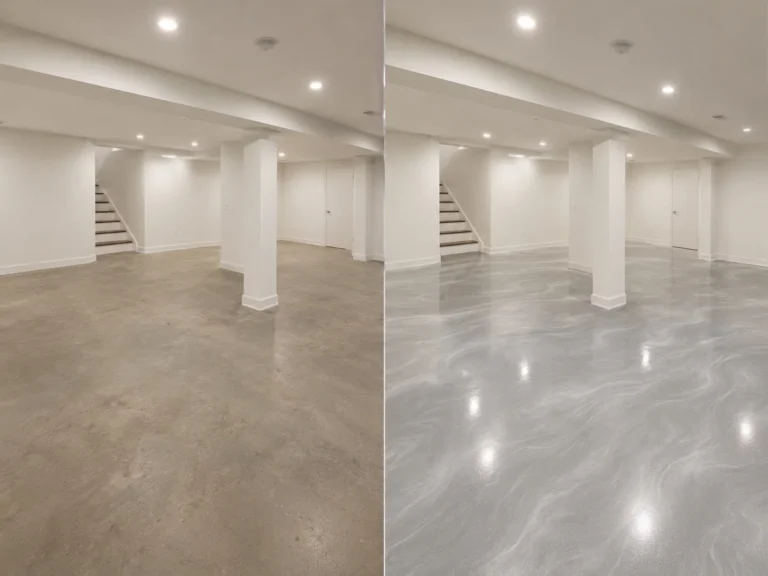
A practical upgrade for everyday lower-level living
Give the basement a cleaner, brighter, more finished foundation
A professionally coated concrete floor can change how the entire lower level feels. It creates a more intentional surface for family time, laundry, storage, hobbies, exercise, rental use, or the next phase of a basement remodel.
Corridor Floor Coatings plans the preparation and finish around the actual room so the floor looks good, cleans easily, and fits the way the basement is used.
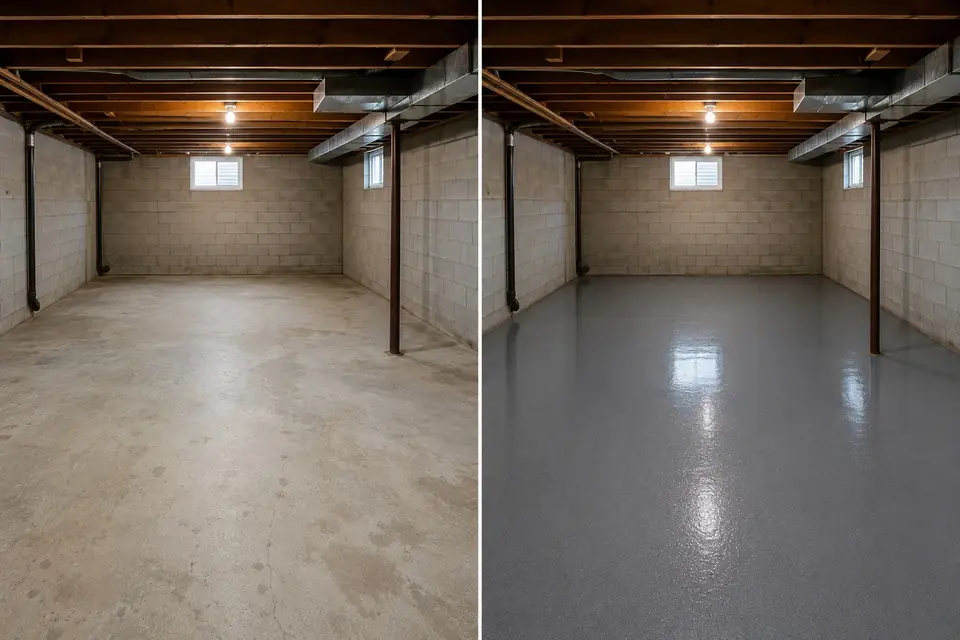
One floor can support many kinds of basement use
Choose the finish around what you want the lower level to become
Family and recreation rooms
Create a finished foundation that works with walls, trim, furniture, lighting, and everyday activity.
Laundry and utility areas
Improve the floor around appliances, mechanical equipment, drains, storage, and regular cleaning.
Storage, gym, and hobby spaces
Build a practical surface for shelving, workout equipment, worktables, projects, and changing room layouts.
Rental and multi-use basements
Give the lower level a cleaner, more consistent appearance that is easier to show and maintain.
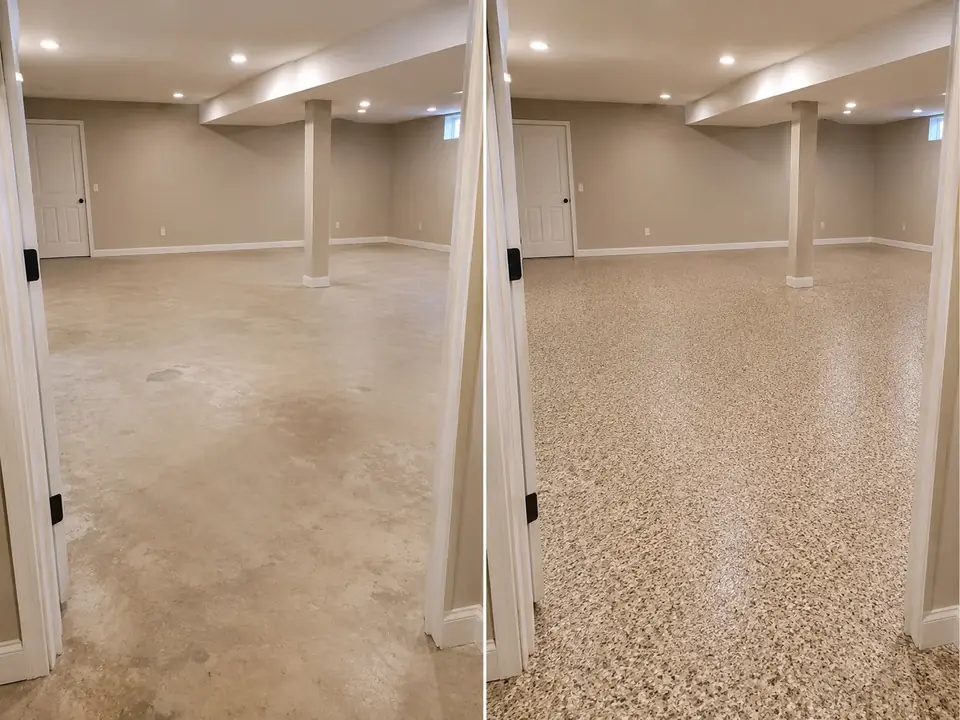
A finish that belongs in the room
Balance color, contrast, texture, and lighting
Basements often have less natural light than garages or exterior spaces, so the floor has a bigger influence on the room. A balanced finish can brighten the lower level without making every speck of dust the main attraction.
Basement transformations from Eastern Iowa
See how different lower levels can become cleaner, brighter, and more usable
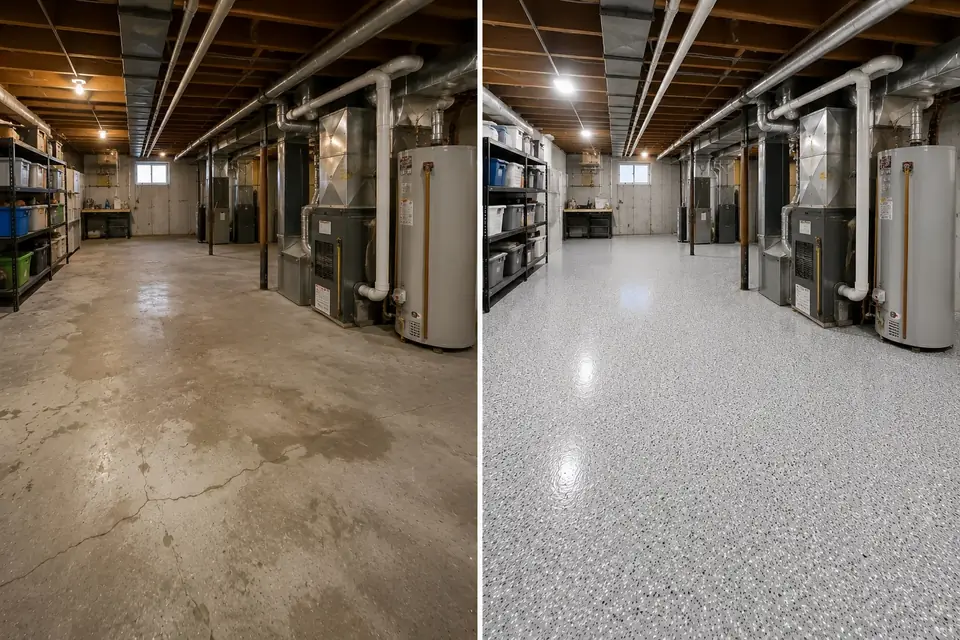
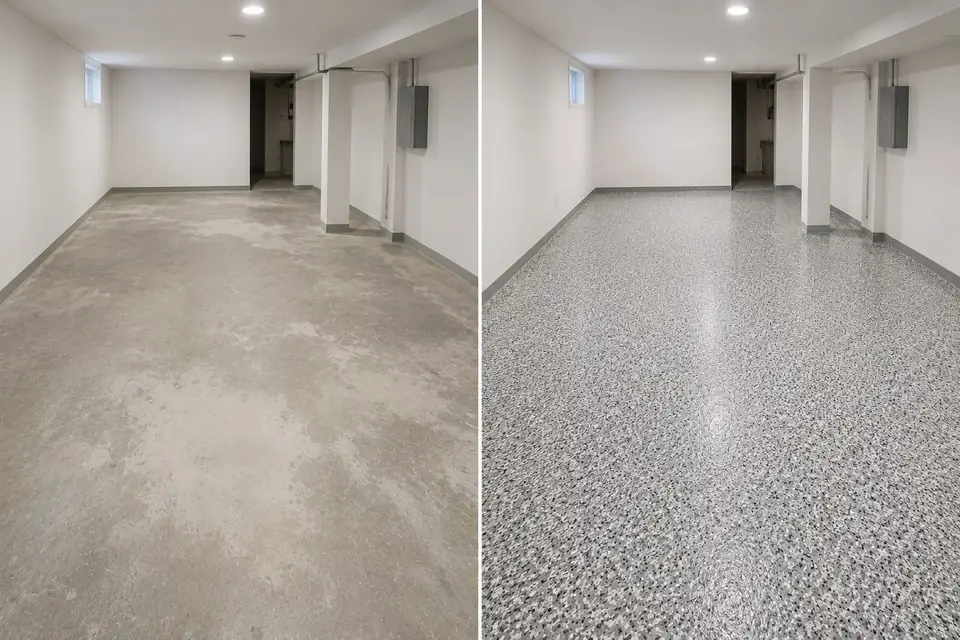
Light gray decorative flake
A brighter floor creates a clean foundation around shelving, mechanical equipment, and open storage.
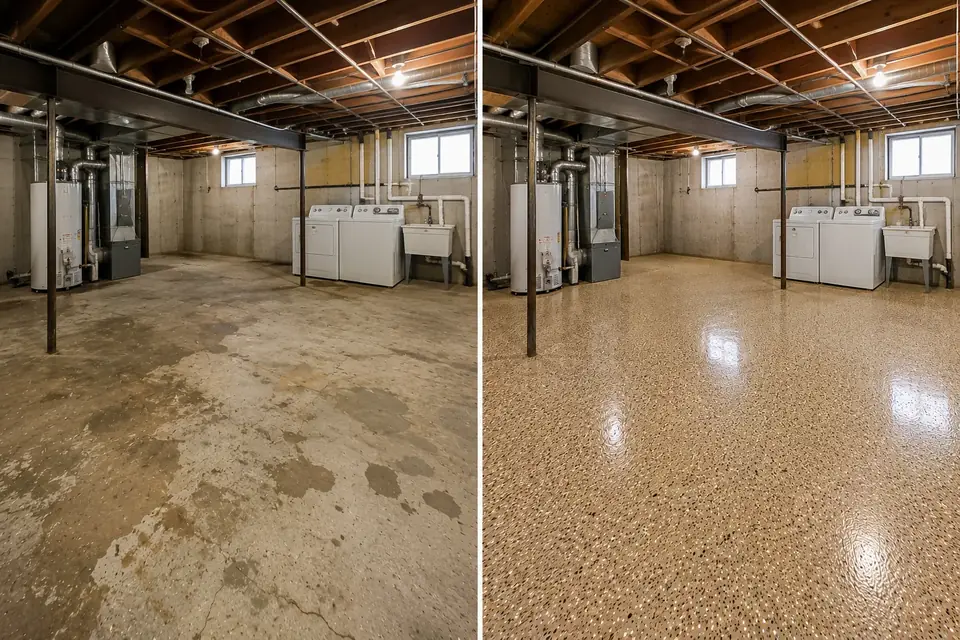
Tan flake for a practical lower level
A warmer blend works naturally with block walls, appliances, and everyday utility-room use.
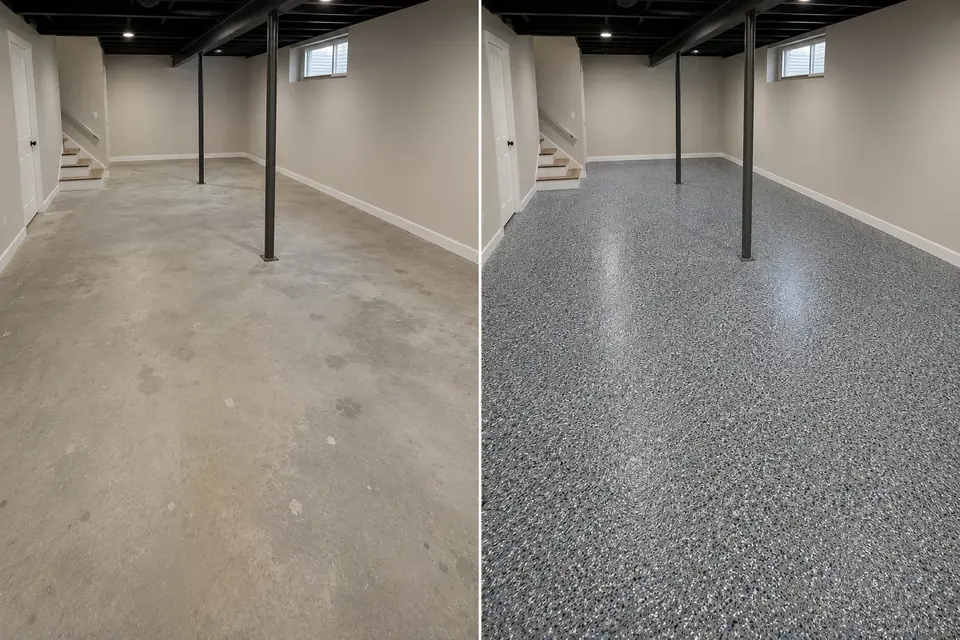
Cool-toned decorative flake
A more defined palette gives the lower level personality while keeping the floor versatile.
Plan the project around the real basement
A short floor review keeps the upgrade simple and well organized
Before selecting the final system, the estimate should account for what is already on the concrete and what needs to stay in place. That creates a clear preparation plan without turning the process into a technical lecture.
A straightforward path to the finished floor
From the first review to the final basement finish
Review the space
Confirm the rooms, concrete, old material, features, access, use, and finish goals.
Prepare the floor
Complete the approved removal, mechanical preparation, detail work, and accessible repairs.
Install the system
Apply the compatible layers, selected color or decorative finish, and practical texture.
Reopen the basement
Follow the project-specific guidance for foot traffic, furniture, appliances, storage, and cleaning.
A clear scope for the complete lower level
Know what is included before the basement project begins
The estimate should connect the current floor, preparation, common repairs, finish, access, and room logistics in one understandable plan.
- The basement rooms and concrete areas included
- Old paint, coating, sealer, or residue being addressed
- Mechanical preparation and accessible edge work
- Included crack, pitting, patch, or damaged-area repairs
- Coating layers, color, decorative finish, texture, and cleanup
- Clearing, access, schedule, and return-to-use guidance
Basement floor coating questions
Helpful answers before upgrading the lower level
Are floor coatings a good choice for basements?
Yes, many basement concrete floors can be upgraded with a professionally prepared coating system. The best plan considers the current surface, room use, finish goals, access, and any known moisture history before installation.
Which basement spaces can be coated?
Floor coatings can work well in family rooms, recreation areas, laundry rooms, utility spaces, storage rooms, home gyms, workshops, rental-property lower levels, and partially finished basements.
Can a basement floor be coated if it has old paint?
Old paint or coating should be reviewed before the project. Material that is loose, weak, or incompatible can be removed as part of the preparation plan so the new system begins with a dependable surface.
What should I know about basement moisture?
Share any history of leaks, seepage, damp areas, or drainage concerns during the estimate. Addressing an active water source first helps protect the basement improvement and allows the coating plan to match the actual conditions.
Can cracks or pitted areas be repaired before coating?
Many common cracks, pitted spots, and small damaged areas can be reviewed and included in the preparation scope. The estimate should explain which repairs are included and how they will blend into the finished floor.
What colors work well on basement floors?
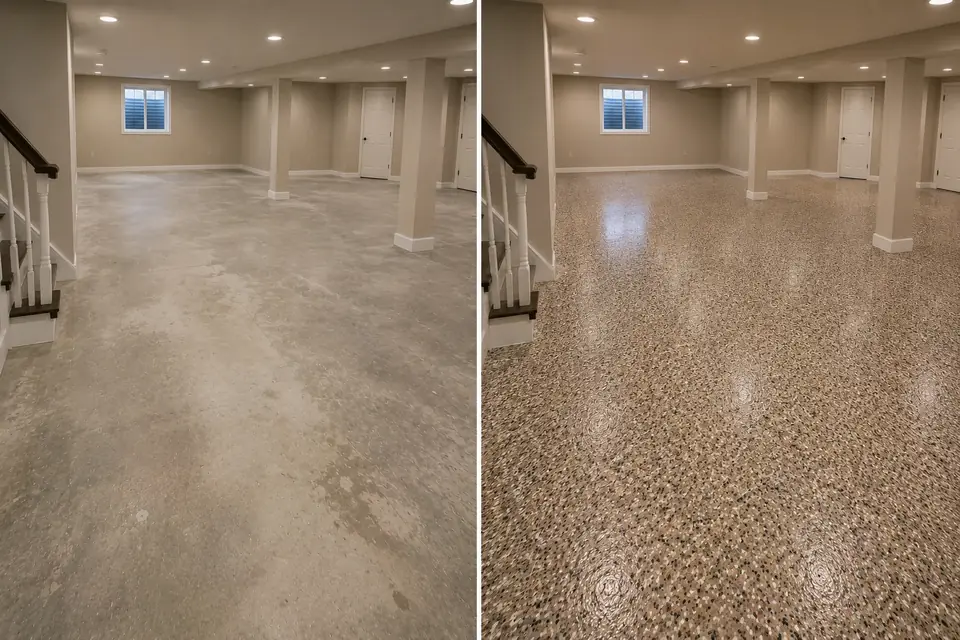
Light gray, greige, tan, and balanced decorative flake blends are popular because they can brighten the lower level and coordinate with walls, trim, storage, and furnishings. The best choice depends on lighting, room use, and the look you want.
What should a basement floor coating estimate include?
A clear estimate should identify the areas included, preparation, old-material removal when needed, accessible repairs, coating layers, color, texture, clearing, access, schedule, cleanup, and return-to-use guidance.
Ready to Give Your Basement a Better Finished Floor?
Share the address, basement rooms, approximate size, current photos, known floor history, and the look you want. Corridor Floor Coatings will turn those details into one clear project estimate.